What Kids Learn From Handling Rejection and Failure
We're brand new at this — and the first 'no' already taught us something we want to remember. Here's how we're trying to walk through it together.
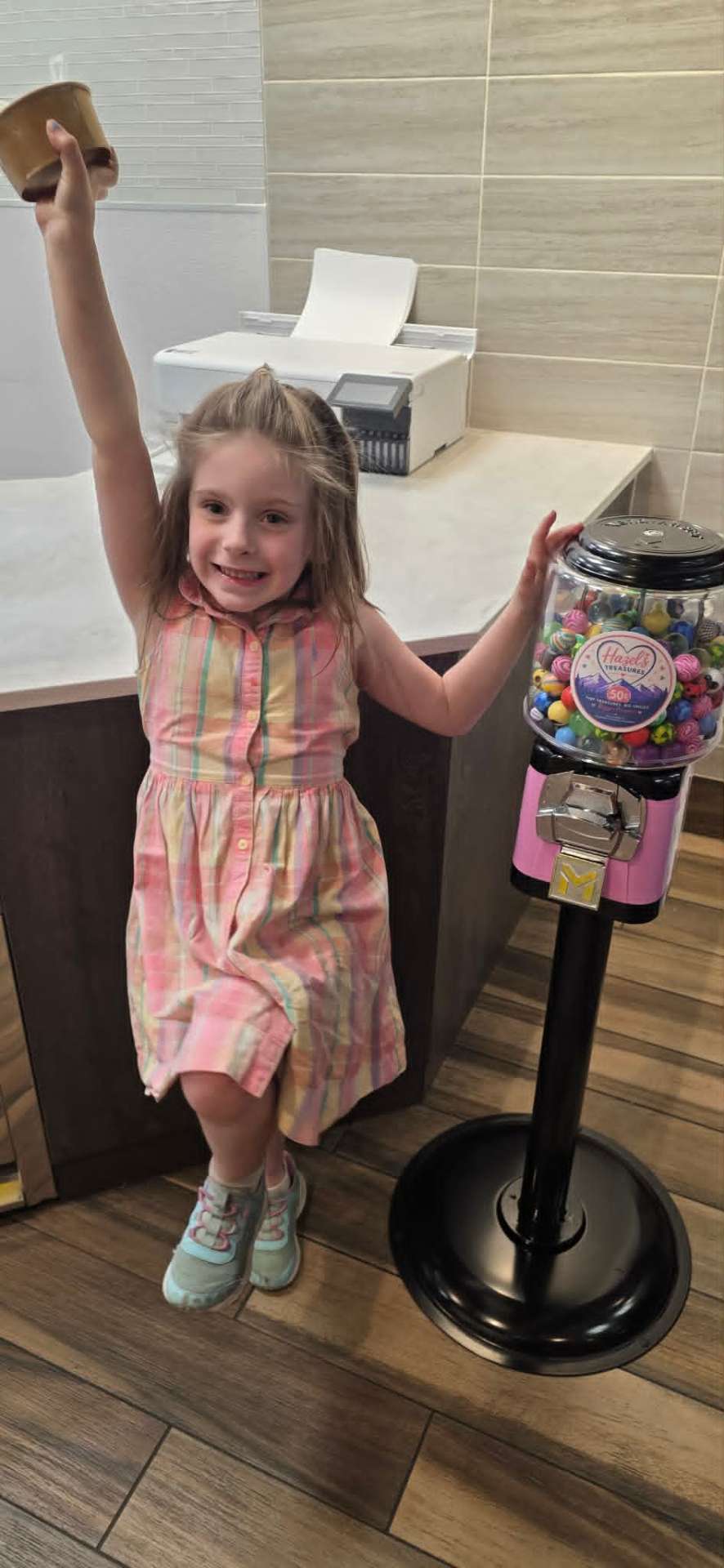
The first time a business said no to Hazel, she cried in the parking lot. Real, full-body, six-year-old tears. We sat in the car for a long time. She asked, in the smallest voice, "Was it because of me?"
That moment changed how we parent. Not because we hadn't thought about resilience before, but because we suddenly understood what it actually costs a kid to try — and what it would cost her if we tried to protect her from ever feeling it again.
Rejection is a skill, not a wound
We grew up being told that rejection toughens you up. That framing isn't quite right. Rejection doesn't toughen — it teaches, but only if there's an adult in the room helping translate.
Without translation, a "no" turns into a story the kid tells about themselves: I'm not good enough. People don't like my idea. I shouldn't have asked. With translation, the same "no" becomes information: this wasn't the right fit, today wasn't the right day, this person had a lot on their plate.
How we talk about "no" at our kitchen table
First, we name the feeling
"That hurt, didn't it?" Not, "It's okay." Not, "Don't worry about it." Just — yes, that was hard, and the hard part is real.
Then we separate the person from the outcome
"They didn't say no to you. They said no to the machine, today, in their store." Six-year-olds are concrete thinkers. They need this distinction spelled out, every time, until it sticks.
Then we look for what we can learn
"Is there anything we'd do differently next time? Or was this just a no, and that's okay too?" Sometimes there's a lesson. Sometimes there isn't. Both answers are valid.
Then we move forward, on purpose
"Who do you want to ask next?" The fastest way to recover from a "no" is to put a "maybe" on the calendar.
What we hope failure teaches her, over time
- That brave people get told no, too — and they keep going anyway.
- That the way someone responds to your idea isn't a measurement of you as a person.
- That trying again is a choice, and the choice belongs to her.
- That sometimes the best yeses are still ahead of the worst nos.
The hardest part is for the parent
Watching your kid get rejected is harder than getting rejected yourself. There's a primal urge to march back in and explain why this child and this idea and this mission deserved a different answer. We've felt it. We don't act on it.
Because the lesson Hazel needs to learn is not that her parents will fix every "no." The lesson she needs to learn is that she can survive one — and walk into the next room anyway.
That lesson is going to outlive every bouncy ball we ever sell.