How Children Can Learn Money Management Early
Counting real coins on the floor teaches more about money than any app we've tried. Here's the early framework we're testing as a family.
Money is one of the few subjects where adults agree it should be taught earlier and then somehow no one teaches it. Schools touch on it lightly. Most kids' first real lesson in money management arrives the week after their first paycheck — usually too late to be gentle.
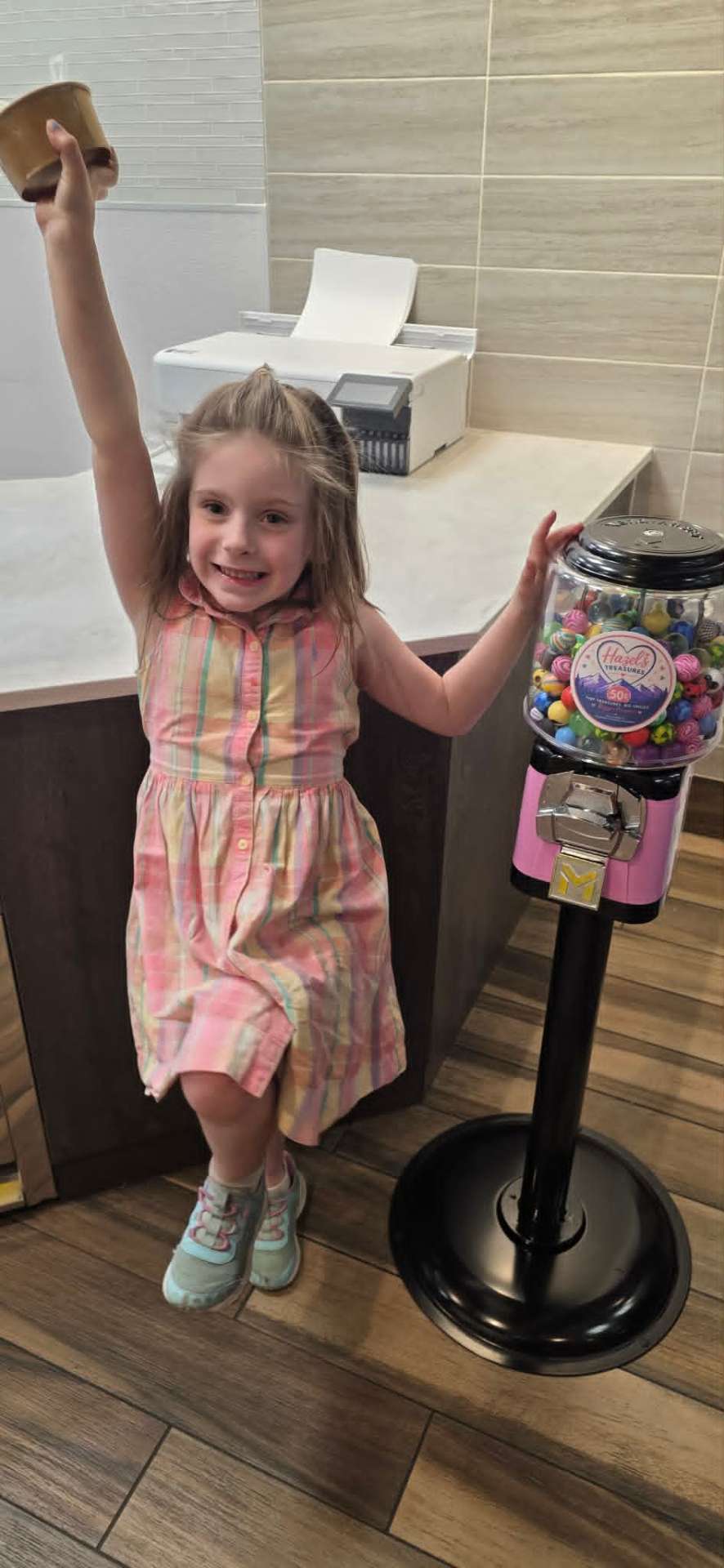
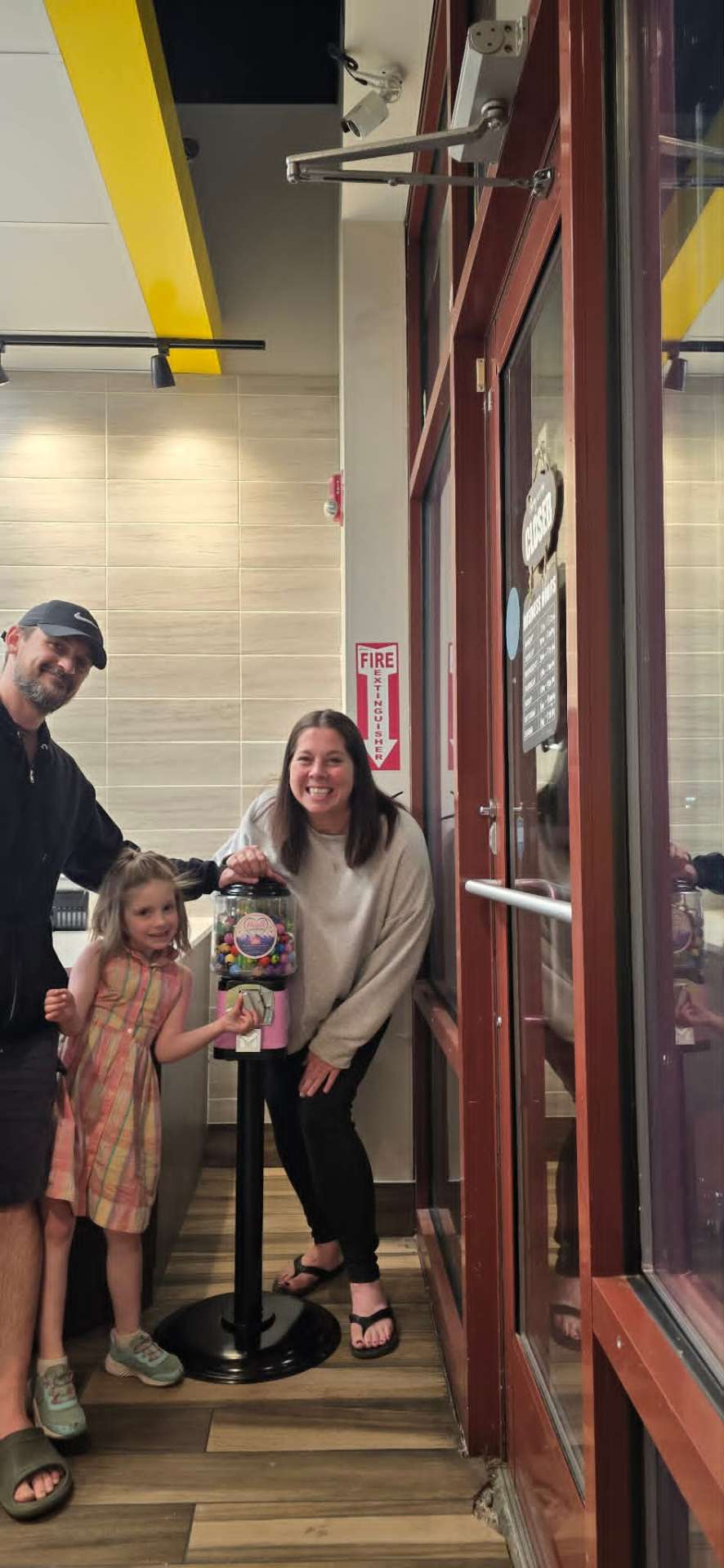
We've been figuring out, in real time, how to teach a six-year-old about money in a way that actually sticks. We're only at the very beginning — Hazel's first machine just went in this week — but here's the framework we're starting with as a family.
Earn it before you talk about it
Money lessons land when there's actual money involved. Not pretend money. Not a chart on the fridge. Real coins, earned through real effort, that the kid gets to physically hold.
Whether it's a vending machine business, a lemonade stand, weeding the neighbor's garden, or selling friendship bracelets at a Colorado farmer's market — the medium matters less than the realness.
The four-jar system, age six edition
Every time Hazel empties a machine, the quarters get sorted into four jars. We didn't invent this — versions of it have been around forever — but we've adapted it for a kindergartener and we're learning, jar by jar, what sticks.
Jar 1: Give
Ten percent goes here. It's the first jar we fill, on purpose. It goes to Children's Hospital Colorado. Putting giving first, before saving and spending, changes how a kid thinks about every dollar that comes after.
Jar 2: Save
This is for something bigger and slower. Right now Hazel is saving for a second machine. Watching the jar fill teaches her, without a single lecture, that saving is just delayed deciding.
Jar 3: Spend
This is hers. No questions, no editing, no "are you sure." When she spends it on something we wouldn't have chosen, she learns. When she spends it on something delightful, she also learns.
Jar 4: Reinvest
This pays for new bouncy balls, new cards, new supplies for the business. It's the jar that taught her the word "reinvest," and the word changed how she sees the whole thing.
Why physical coins beat apps for young kids
Apps are great for older kids and adults. For young kids, they're abstract in a way that makes the lesson softer than it should be. A jar that gets full has weight. A jar that gets emptied has emptiness. A coin that gets spent is gone in a way a number on a screen can never be.
Save the apps for later. Start with the jars.
Conversations that happen naturally
- "How much do you think this trip will cost from your spend jar?"
- "If you save instead of spend this week, how much will you have by next month?"
- "How does it feel to put money in the give jar? Different from the spend one?"
- "What would you reinvest in if you could only pick one thing this month?"
None of these conversations require a lecture. They happen on the kitchen floor, with quarters in hand, while a six-year-old is doing the math out loud and surprising both of you.
The lesson under the lesson
The biggest thing we want Hazel to learn isn't math. It's that money is a tool — one that reflects her values back at her. The give jar isn't just generosity. It's identity. The save jar isn't just patience. It's planning. The spend jar isn't just fun. It's responsibility.
When kids learn that money tells the truth about what they care about, they grow into adults who use money on purpose. That's the goal. The math is just the on-ramp.